
8 Best Ergonomic Bluetooth Mice for Everyday Use
Find your perfect ergonomic mouse. Discover 8 top Bluetooth options for comfortable, strain-free navigation. Shop now for ultimate comfort!
After a long day of managing household accounts or tackling remote work tasks, an aching wrist or tingling fingers can turn a productive afternoon into a struggle. Choosing the right mouse is not just about technology; it is about protecting the comfort required for daily tasks in every home office setup. Investing in the right peripheral now prevents the nagging discomfort that builds up after years of repetitive computer use.
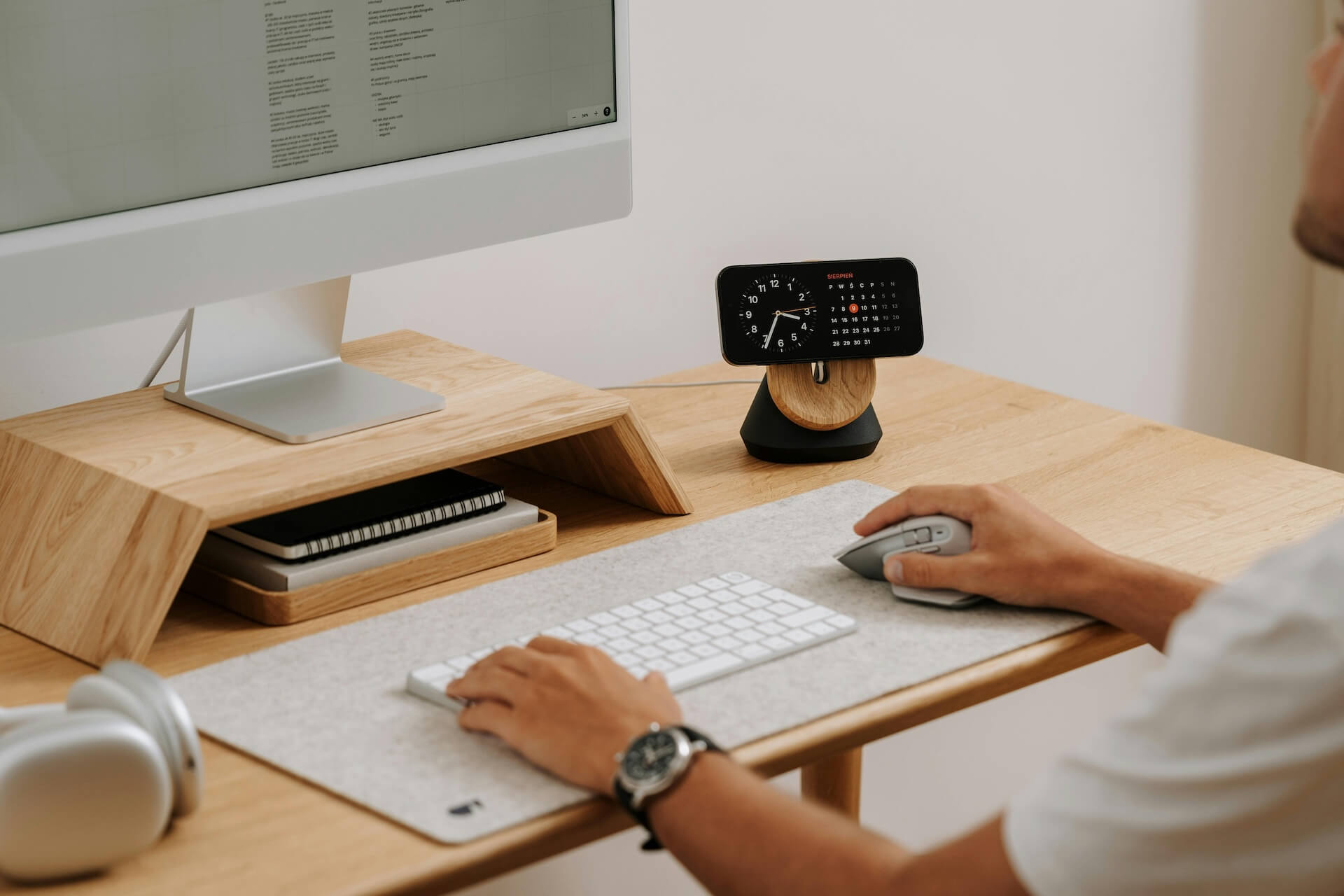
Logitech MX Master 3S: The All-Day Comfort Champ
For those spending several hours a day at a desk—whether managing the family budget or catching up on emails—this mouse provides substantial support. Its contoured shape is designed to fit a standard adult hand perfectly, reducing the need for tight gripping.
The device features an incredibly smooth scroll wheel and customizable buttons, which help speed up repetitive tasks across different software applications. While the price point is higher, the build quality ensures this peripheral lasts for years, making it a sound long-term investment for a permanent home office.
Consider this model if the workspace is a dedicated desk where desk space is ample. Its size is substantial, so it is best suited for homeowners who do not need to pack their mouse away into a laptop bag every day.
Logitech Lift: A Gentler Angle for Wrist Relief
If the traditional flat mouse feels unnatural or causes tension in the forearm, the Logitech Lift offers a more neutral, “handshake” position. This vertical orientation helps keep the wrist in a relaxed state, which is particularly beneficial for those prone to afternoon fatigue.
The design is slightly smaller than many heavy-duty ergonomic models, making it an excellent fit for users with smaller hands. It operates silently, which is ideal for shared household spaces like a kitchen nook or a bedroom office where clicking noises might be distracting.
While the vertical learning curve takes a day or two to master, the relief it offers is worth the brief adjustment period. It remains a top choice for anyone looking to prioritize musculoskeletal health without requiring a massive desk footprint.
Anker Vertical Mouse: Top Ergonomics on a Budget
When a home office requires multiple workstations or a secondary computer setup, purchasing premium peripherals for every location becomes expensive quickly. The Anker Vertical Mouse provides the primary benefits of an upright, ergonomic grip at a fraction of the cost of higher-end brands.
This model is a testament to the fact that basic ergonomic features can be both effective and affordable. It relies on standard batteries, which simplifies maintenance for households that prefer to avoid keeping extra charging cables around the desk.
The build feels lighter than pricier alternatives, but it holds up well under standard daily usage. It is the ideal entry point for someone who wants to test if a vertical design actually helps with wrist pain before committing to a larger investment.
Logitech MX Ergo: Best Trackball for Less Arm Strain
In a small or crowded home office where desk surface area is at a premium, moving a traditional mouse can be physically impossible. The Logitech MX Ergo solves this by keeping the device stationary, using a thumb-operated trackball to move the cursor.
Because the arm and shoulder stay completely still, this design is the gold standard for reducing shoulder strain during long sessions of data entry or photo editing. The tilt base allows for a customized angle, ensuring the wrist remains comfortable throughout the day.
Maintenance requires a quick wipe of the ball every few weeks to keep it rolling smoothly. It is a fantastic choice for those with limited space or those who want to minimize repetitive arm motion entirely.
Microsoft Sculpt Mouse: A Unique Shape for Support
The Microsoft Sculpt is instantly recognizable by its rounded, dome-like appearance that encourages a natural posture. This shape is engineered to prevent the heel of the hand from resting directly on the desk, which helps reduce pressure on the sensitive carpal tunnel area.
Its compact design makes it a versatile companion for both desktop computers and laptop setups in the living room. Because it occupies very little vertical space, it is easy to store in a shallow desk drawer or a small laptop sleeve when not in use.
Those with large hands might find the dome shape slightly cramped, but for average-sized hands, it offers a distinct, pillowed support. It remains a reliable, cost-effective classic for homeowners prioritizing simple, unobtrusive design.
Logitech M720 Triathlon: A Familiar Feel, Better Fit
Many users appreciate the traditional shape of a standard mouse but crave a more ergonomic touch for their daily workflow. The M720 Triathlon fills this gap by offering a classic silhouette with added rubberized side grips and a thumb rest.
A standout feature is its ability to toggle between three different devices at the push of a button. This is highly useful for households where one person might switch between a primary PC, a family tablet, and a secondary laptop throughout the day.
It is a durable, mid-sized option that balances familiarity with added comfort. It serves as an excellent middle-ground for those who are hesitant to switch to vertical or trackball designs.
Kensington Pro Fit Trackball: For Stationary Control
The Kensington Pro Fit is a workhorse designed for longevity and precise control in demanding home environments. Unlike thumb-operated models, this trackball uses a larger ball controlled by the fingers, which some users find provides better accuracy and less finger fatigue over time.
Because it does not move on the desk surface, it is a perfect solution for cluttered workspaces or uneven surfaces like coffee tables or sofa arms. Its solid construction feels substantial, providing confidence that it will survive years of heavy use.
The trackball is easily removable for cleaning, which is essential for maintaining smooth operation. It is an honest, utilitarian choice for those who value performance and space-saving design over aesthetics.
Microsoft Bluetooth Ergo: Simple, Reliable Comfort
For the homeowner who values a straightforward “plug-and-play” experience, the Microsoft Bluetooth Ergo provides a subtle ergonomic curve without being overly complicated. It mimics the feel of a standard mouse while gently nudging the hand into a more supportive, neutral position.
Installation is seamless on most Windows-based home systems, ensuring that even non-technical users can start using it immediately. The battery life is impressive, meaning fewer interruptions to the daily routine for replacements.
It is a low-profile, unassuming tool that performs its job without taking up unnecessary space on the desk. This model is perfect for a household that wants a reliable, ergonomic upgrade without a significant learning curve.
Vertical vs. Trackball: Which Is Right for You?
Choosing between these two categories often comes down to the primary source of discomfort. If the wrist is the main area of pain, a vertical mouse is usually the most effective, as it eliminates the forearm twisting required for a flat mouse.
If shoulder or upper-arm soreness is the main complaint, a trackball is the superior choice. Since the device remains stationary, the arm stays tucked in a relaxed position, preventing the constant back-and-forth motion that leads to shoulder fatigue.
- Vertical Mouse: Best for desk users with ample space who want to correct wrist alignment.
- Trackball: Best for those with limited space, shoulder pain, or those who find constant mouse movement taxing.
- Hybrid Users: Some homeowners maintain a vertical mouse for primary tasks and a trackball for lighter, casual browsing.
Adjusting to Your New Ergonomic Mouse Shape
Any transition to a new ergonomic shape requires a period of patience. Muscles that have been conditioned to use a flat mouse for decades need a few days—or sometimes up to two weeks—to adapt to a new, healthier position.
During the first few days, consider keeping the old mouse nearby just in case of intense fatigue, but try to use the new ergonomic device for at least 75 percent of the day. Consistent, incremental use is the key to muscle memory development.
Avoid over-correcting the position or gripping the new device too tightly out of frustration. The point of an ergonomic mouse is to facilitate a relaxed, natural hold, so take frequent breaks to shake out the hands and stretch the fingers during the first week of adjustment.
The right mouse acts as a quiet partner in a productive home life, turning what was once a source of strain into a comfortable, effortless interaction. By matching the device to your physical needs and workspace constraints, you ensure that your home office remains a place of efficiency rather than a source of unnecessary physical stress.
